

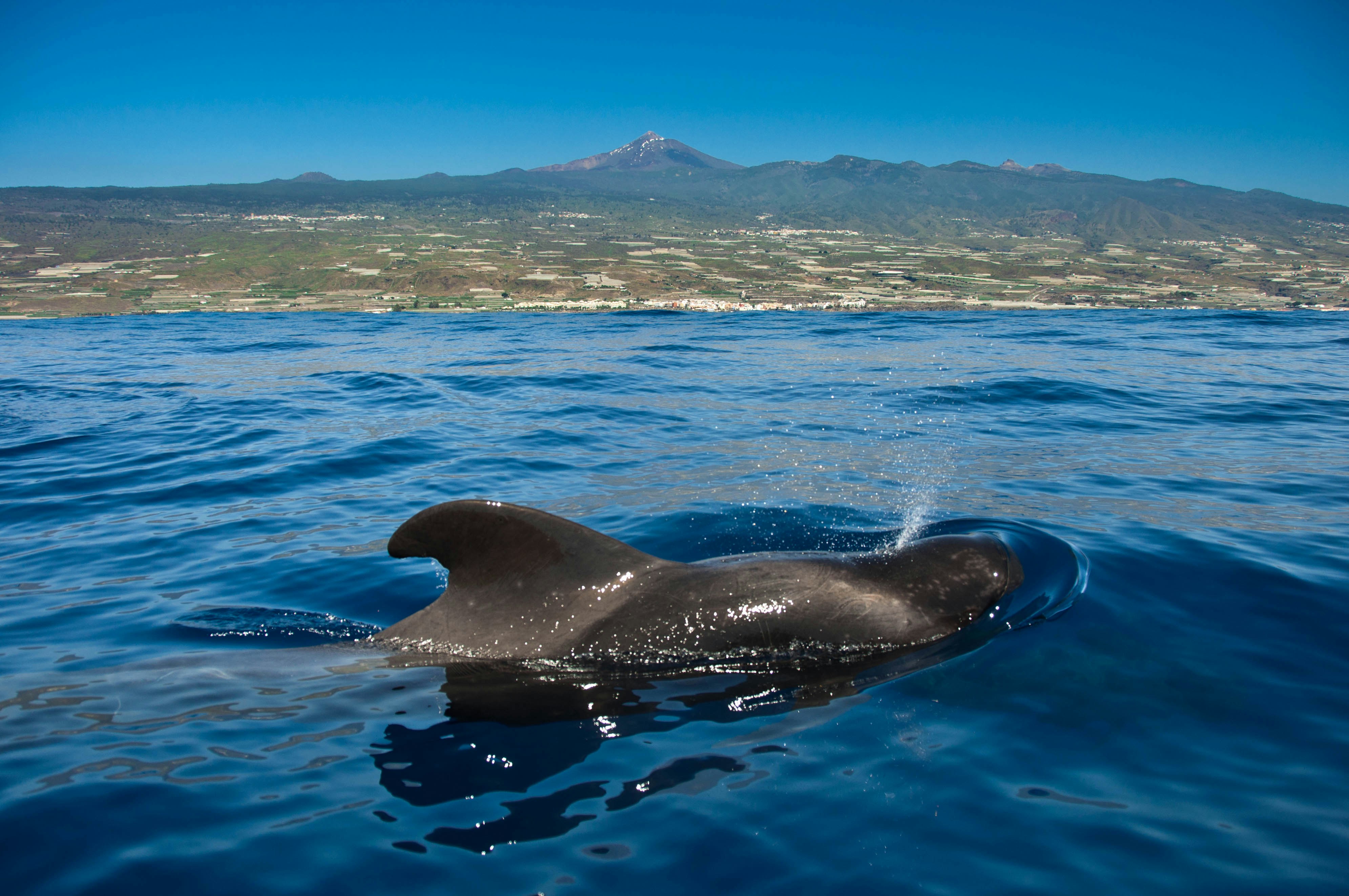
Tenerife is one of Europe's premier destinations for whale and dolphin watching, offering year-round opportunities to witness these magnificent creatures in their natural habitat.
With resident populations of pilot whales and bottlenose dolphins, plus seasonal visits from migratory species, the waters off Tenerife's southern coast provide unforgettable marine wildlife experiences.
Why Tenerife is Perfect for Whale Watching
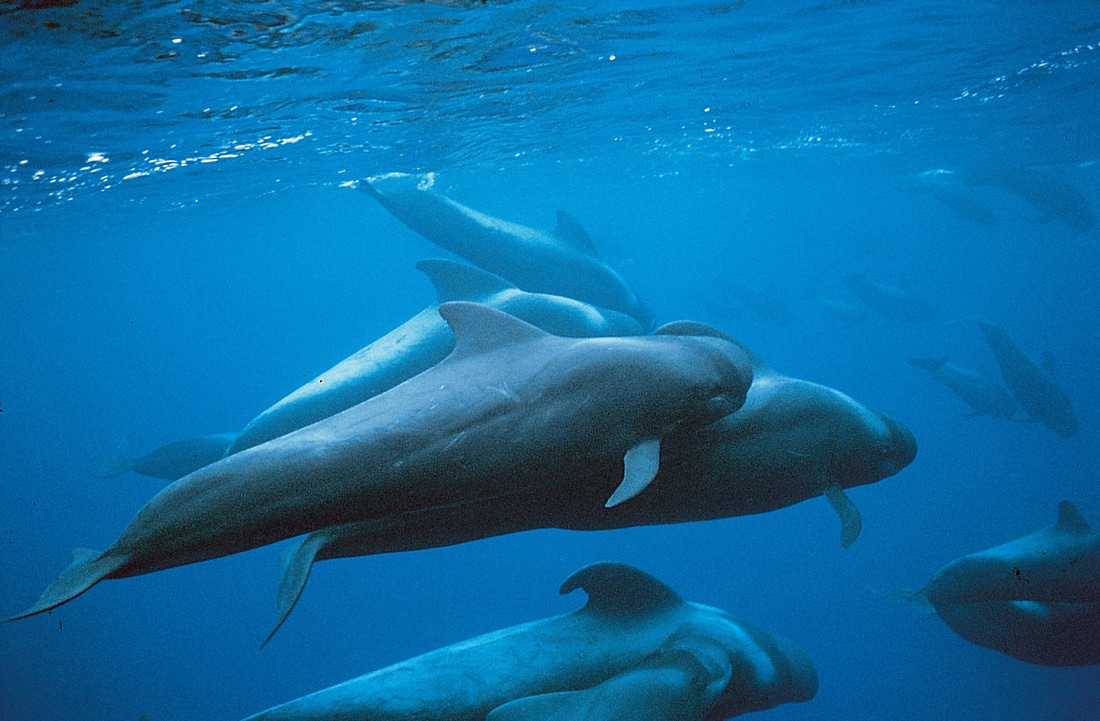
The waters between Tenerife and La Gomera create an ideal environment for cetaceans.
The area is home to large resident populations of pilot whales and bottlenose dolphins that can be observed 365 days a year.
This unique marine ecosystem, protected as the Teno-Rasca Marine Conservation Zone, spans approximately 70,000 hectares and supports an incredible diversity of marine life.
During recent whale watching seasons, visitors have encountered 17 different species of cetaceans in these waters.
The deep ocean channel running along Costa Adeje, combined with Tenerife's subtropical climate, creates perfect conditions for both resident and migratory species.
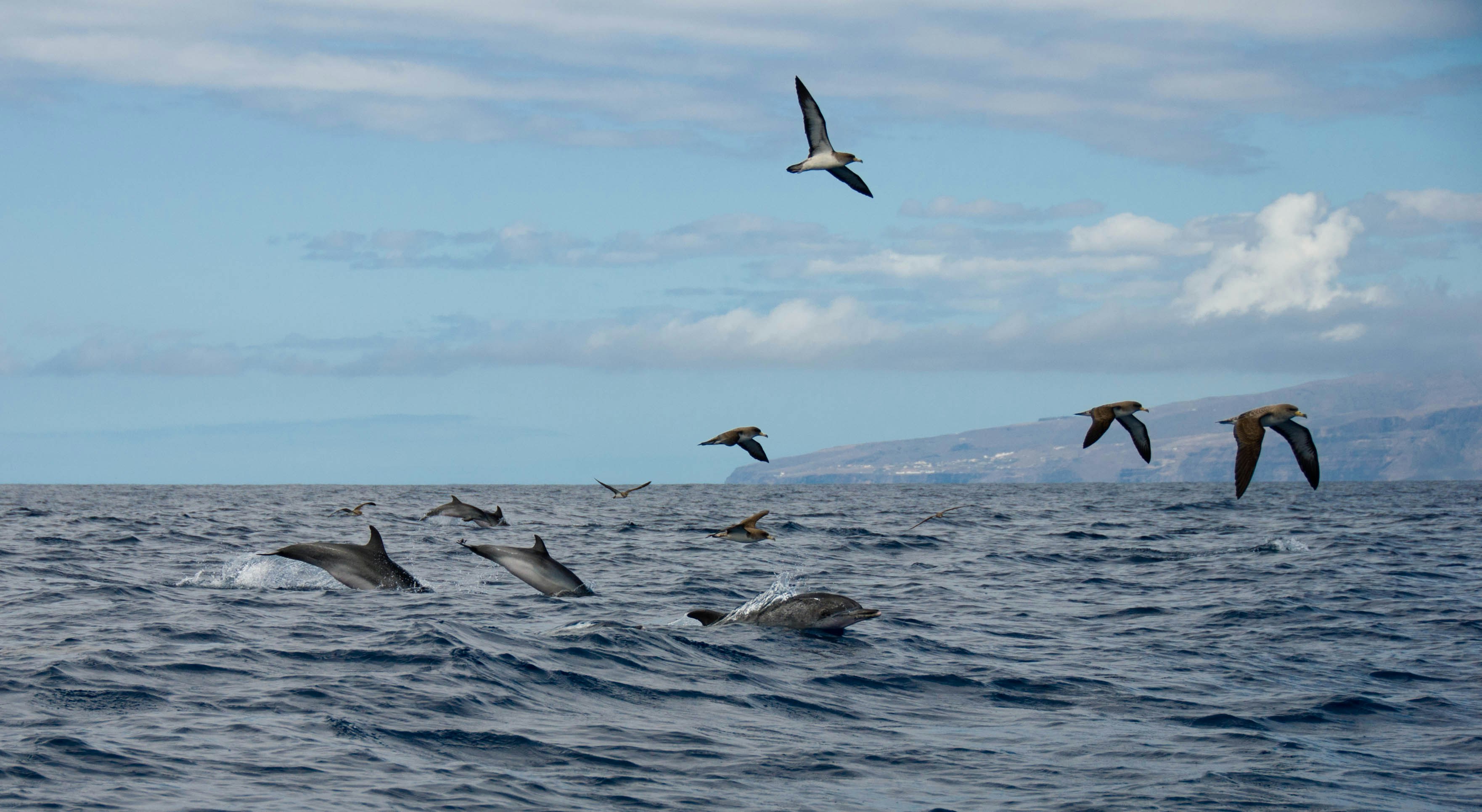
Best Time for Whale & Dolphin Watching
Year-Round Sightings
One of the most remarkable aspects of whale watching in Tenerife is that every day is a great day to go whale watching.
The mild climate keeps sea temperatures between 19°C and 21°C throughout the year, meaning resident species don't need to migrate for food or warmth.
Peak Season: November to March
While whale watching is possible year-round, migratory species peak from November to April, with January seeing the highest migration numbers. During the winter months, although rare, you have the best chance of spotting:
- Humpback whales
- Fin whales
- Sei whales
- Bryde's whales
- Occasionally blue whales
Summer Months: Baby Season
Summertime is "baby time" for resident cetaceans. During spring and summer (March to September), you'll often see nursery pods with playful pilot whale calves and young dolphins. The weather is warm and sunny with calm seas, making for comfortable boat trips.
Weather Considerations
Summer months from June to September offer warm, sunny weather with calm seas, excellent for leisurely boat rides. Winter months from December to February can be slightly cooler with rougher sea conditions, though modern boats with stabilisers ensure safe and comfortable rides.
Spring (March-May) and autumn (September-November) provide mild temperatures and are considered low season, meaning fewer crowds and potentially better prices for tours.
Species You Can See
Resident Species (Year-Round)
Short-Finned Pilot Whales
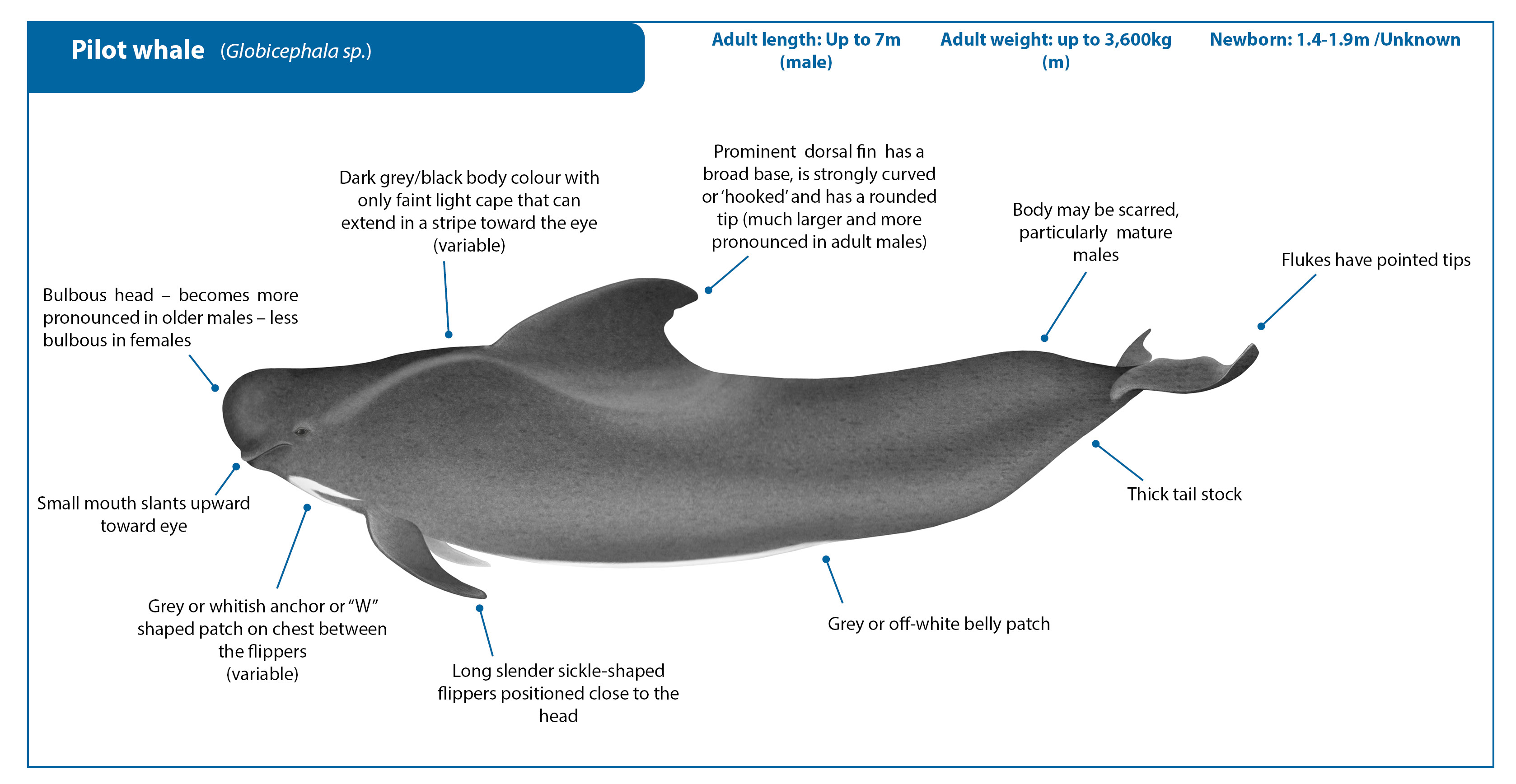
The short-finned pilot whale is the cetacean species most commonly observed on Tenerife whale watching tours, with the resident population along Costa Adeje being one of the largest in the world. These fascinating creatures are:
- Size: 4-7 meters long, weighing 1,000-4,000 kg
- Appearance: Dark grey to black with rounded heads (called "melons") and curved dorsal fins
- Behaviour: Live in matriarchal pods of 10-30 members
- Lifespan: Females live around 60 years, males 40-45 years
- Diet: Primarily squid, diving to depths of 300-700 meters for 10-12 minute hunting sessions
Pilot whales are actually the second-largest member of the dolphin family (after orcas), which is why they're sometimes called "pilot dolphins."
Bottlenose Dolphins
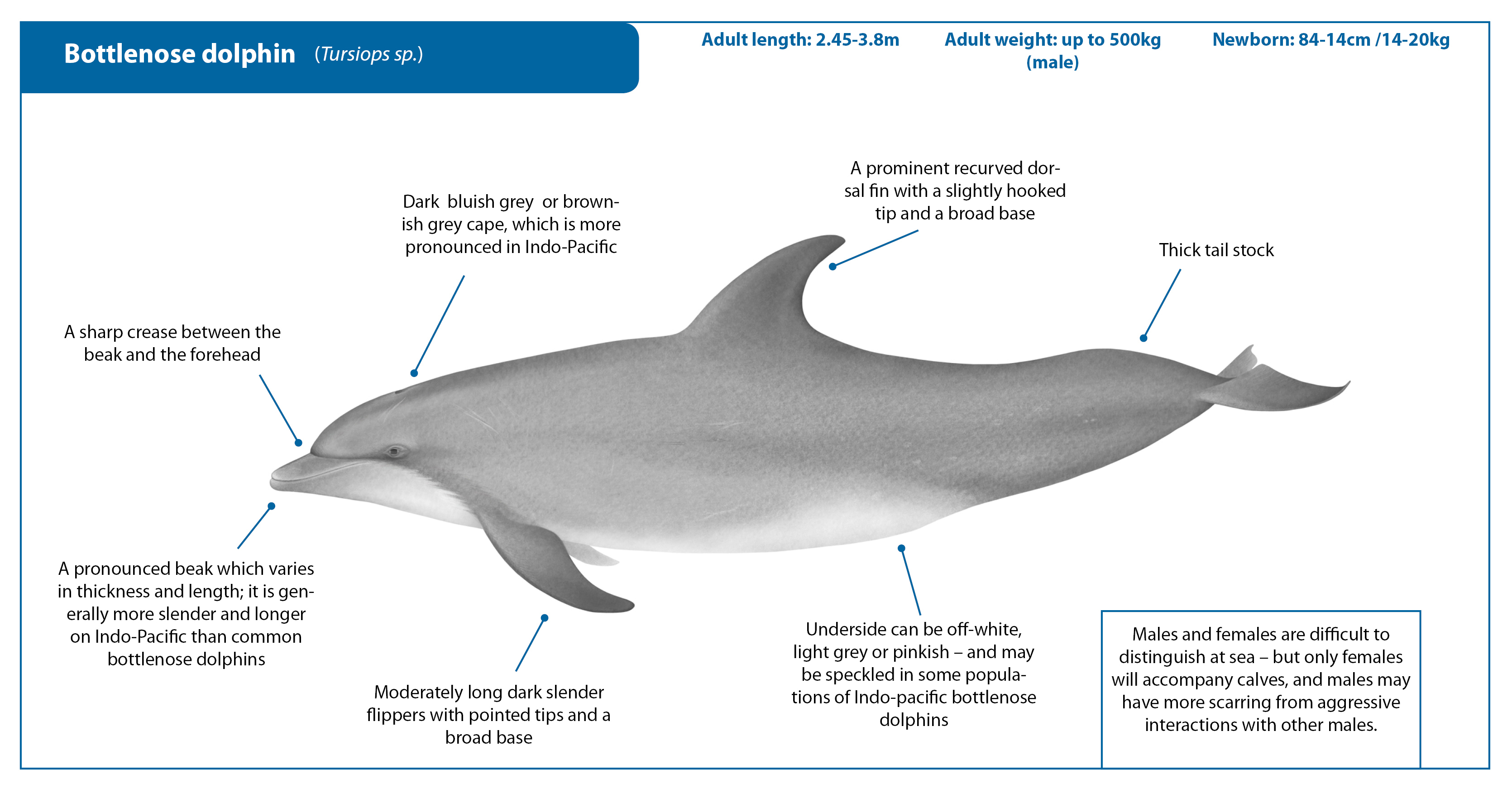
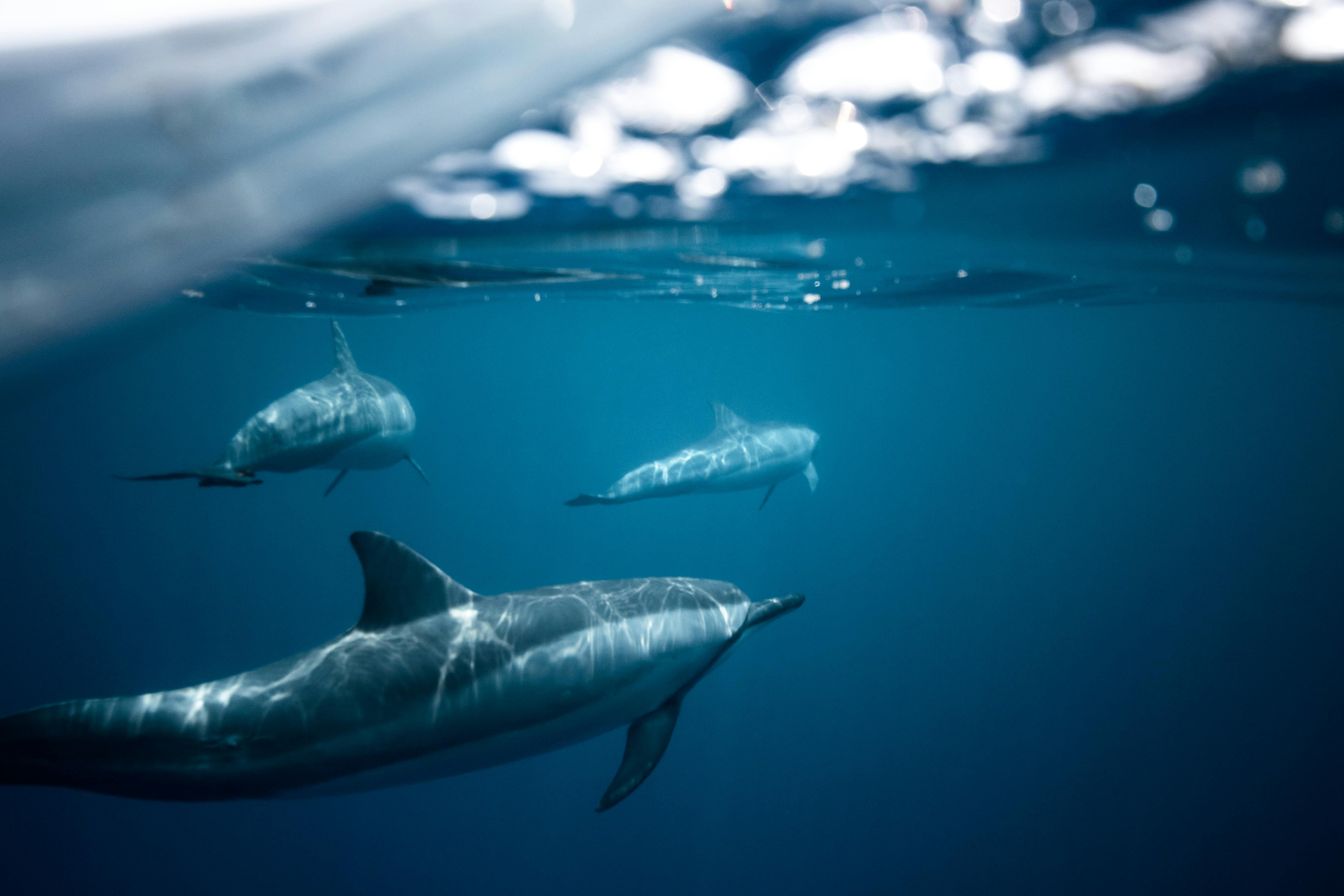
The playful bottlenose dolphins are another year-round resident, often swimming alongside boats and delighting visitors with their acrobatic leaps. Bottlenose dolphins are seen on over 70% of tours.
- Size: 2.5-3 meters long
- Behaviour: Highly intelligent and social, often perform spectacular jumps
- Habitat: Found close to shore and in deeper waters
Sperm Whales
There are resident sperm whales in the Canary Islands archipelago, usually seen a few days per month. These impressive whales can reach 18 meters long and are known for their distinctive rectangular heads.
Migratory Species (Seasonal)
Throughout the year, different species of whales and dolphins pass through the deep ocean channel along Costa Adeje, including:
- Humpback whales (winter months)
- Fin whales (winter/spring)
- Sei whales (winter)
- Blue whales (occasionally in winter)
- Bryde's whales (various times)
- Common dolphins (various times)
- Striped dolphins (various times)
- Atlantic spotted dolphins (various times)
- Risso's dolphins (various times)
Can You Swim with Dolphins in Tenerife?
This is one of the most frequently asked questions, and the answer is clear: swimming with dolphins and whales is strictly prohibited in Tenerife.
Why Swimming is Prohibited
The Canary Islands prioritise the protection of cetaceans over tourist entertainment, as allowing tourists to swim with dolphins would disrupt their natural behaviour, cause unnecessary stress, and risk their health.
Spanish law (Royal Decree 1727/2007) sets strict regulations to protect marine mammals:
Boats must keep a distance of at least 60 meters, observe a maximum watching time of 30 minutes, sail at slow speeds, and never swim with, feed, touch, or make noises that might disturb the animals.
Ethical Alternatives
Instead of swimming with dolphins, Tenerife offers ethical ways to observe these animals:
- Licensed boat tours with Blue Flag certification
- Respectful whale watching from boats at safe distances
- Swimming and snorkelling in designated areas after whale watching (away from cetaceans)
- Educational dolphin shows at Aqualand or Loro Parque (controlled environments)
Best Departure Points
Puerto Colón (Costa Adeje)
Costa Adeje is known as a top departure point for whale watching tours, providing quick access to prime whale watching areas between Tenerife and La Gomera. Puerto Colón Marina offers:
- Close proximity to whale habitats
- Wide variety of boat options
- Modern facilities
- Easy parking
Los Cristianos
This bustling harbour is one of the most popular spots for whale observation tours. Benefits include:
- Central south coast location
- Multiple tour operators
- Good transport connections
- Nearby amenities
Los Gigantes
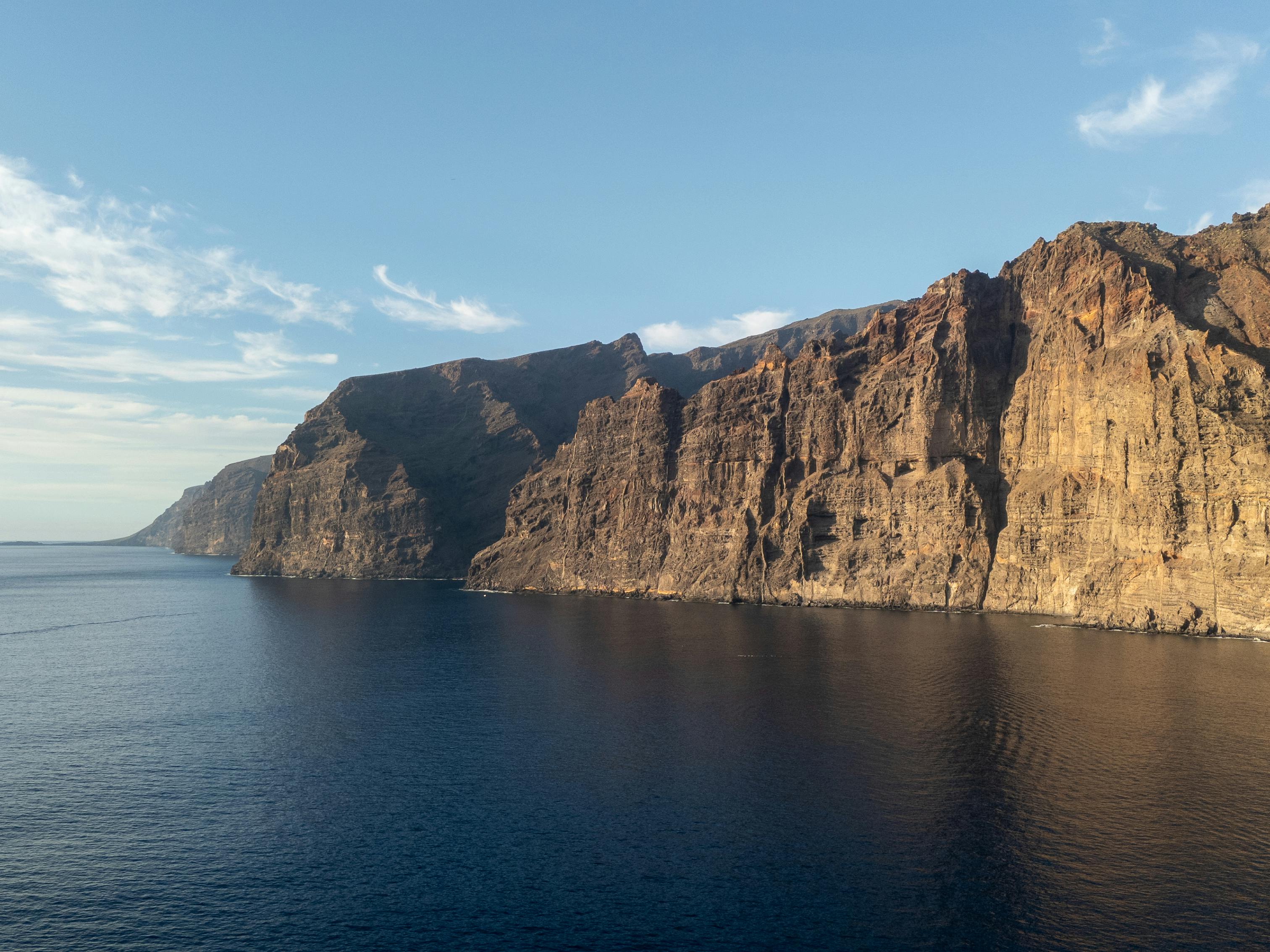
This picturesque area offers stunning views of towering cliffs and excellent whale watching opportunities, with waters home to both resident and migratory species. The dramatic cliff backdrop makes for spectacular photo opportunities.
Top10Excursions offers tours from Los Gigantes:
Types of Whale Watching Tours
Luxury Sailing Yachts
Experience whale watching in comfort and style aboard spacious sailing vessels. These tours typically offer:
- Smaller groups for intimate experiences
- Comfortable seating and shade
- Complimentary drinks and snacks
- Swimming stops in beautiful bays
- 3-5 hour duration
Recommended Tours:
- Sailing Yacht in Los Gigantes - Sail along the dramatic cliffs
- Sailing Yacht South - Explore the southern coast
Coastal Cruises
Perfect for families and those who want a relaxed experience:
- Comfortable boats with multiple viewing areas
- Educational commentary from marine experts
- Refreshments included
- Stable platforms for photography
Recommended Tour:
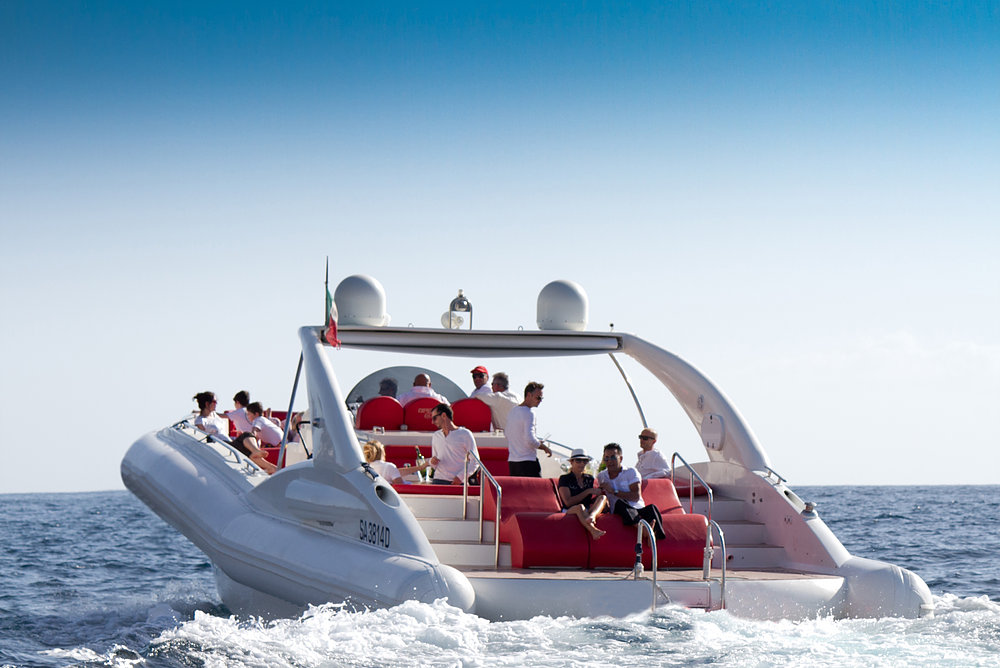
Speed Boat Adventures
For thrill-seekers wanting a more dynamic experience:
- Faster travel to reach active pods
- Exciting ride with potential for closer (but still regulation-compliant) viewing
- Smaller groups
- More manoeuvrable boats
Recommended Tour:
- Luxury Rib Boat - High-speed adventure with whale watching
Specialised Explorer Tours
Some tours focus specifically on marine biology and conservation:
- Expert marine biologists on board
- Educational presentations
- Hydrophones to hear whale communications
- Blue Flag certification for ethical practices
Recommended Tour:
- Nashira Coastal Explorer - Los Gigantes.

What to Expect on Your Tour
Success Rates
Your chances of seeing whales in Tenerife are 99%, with tours often spotting resident pilot whales and bottlenose dolphins. Resident pilot whales are seen on 99% of tours.
Tour Duration
Most whale watching tours last between 2-5 hours, depending on the type of experience:
- 2-3 hours: Basic whale watching
- 3-4 hours: Whale watching with a swimming stop
- 4-5 hours: Extended tours to multiple locations
What's Included
Typical inclusions:
- Expert skipper and crew
- Marine life commentary
- Safety equipment
- Often: drinks, snacks, or a light meal
- Swimming and snorkelling opportunities (in designated areas)
- Insurance
Tips for an Unforgettable Experience
What to Bring
Always bring a hat, sunglasses, and:
- Sunscreen (reef-safe recommended)
- Camera with zoom lens
- Light waterproof jacket
- Swimwear and towel
- Seasickness medication if prone to motion sickness
- Binoculars (optional but helpful)
Best Time of Day
Pilot whales are typically calm and resting during morning tours, and as the day gets later and the ocean becomes rougher, pilot whales tend to get more active. However, morning tours often provide calmer seas and better lighting for photography. Sightings care often seen throughout the day.
Photography Tips
- Use a zoom lens (200-400mm ideal)
- Set fast shutter speed (1/500 or faster)
- Keep the camera ready - whales surface unpredictably
- Shoot in burst mode to capture breaching
- Be present - don't view the entire experience through a lens
Choose Ethical Operators
Look for tours with:
- Blue Flag certification - ensures ethical whale watching practices
- Marine biologists or trained naturalists on board
- Small group sizes
- Commitment to conservation
- Clear adherence to distance regulations
Conservation and Respect
The Teno-Rasca Marine Conservation Zone encompasses approximately 70,000 hectares of protected ocean, home to resident populations of pilot whales and bottlenose dolphins, as well as migratory species and several types of sea turtles.
Responsible Whale Watching
By choosing licensed operators who follow regulations, you support:
- Marine conservation efforts
- Scientific research and monitoring
- Sustainable tourism
- Protection of critical habitats
- Education about marine ecosystems
Threats Facing Tenerife's Cetaceans
The greatest anthropogenic threat to pilot whales in the Canary Islands is maritime traffic and vessel collisions, with 59 pilot whales recorded as injured or dead from this cause between 1991 and 2007.
Responsible tourism helps minimise these threats by:
- Reducing disturbance to feeding and resting behaviours
- Supporting regulated, ethical tour operators
- Raising awareness about marine conservation
- Funding research and monitoring programs
Planning Your Visit
Booking in Advance
Whale watching tours are extremely popular, especially during:
- Summer holidays (July-August)
- Winter holidays (December-February)
- Easter week
Book at least 2-3 days in advance, or even earlier during peak season.
Cancellation Policies
Most reputable operators offer:
- Free cancellation up to 24 hours before departure
- Rescheduling options for bad weather
- Guarantee: free return trip if no whales/dolphins spotted (some operators)
Getting There
Pick up from your hotel:
- Transfer from and to your hotel is included in the price.
- Make sure tobe ready 10 minutes before your pick up.
- Unfortunately, boat trips in Los Gigantes don't offer pick up service.
By Public Transport:
- Regular bus services to Los Cristianos, Costa Adeje (Puerto Colon), and Los Gigantes
- Taxi services are readily available
Combine with Other Activities
Make a full day of your marine adventure by combining whale watching with:
Water Sports
Coastal Exploration
- Submarine Safari - See underwater life without getting wet
Adventure Activities
- Fly High Paragliding - Bird's eye view of the coast

Frequently Asked Questions
Q: What if we don't see any whales or dolphins? A: Many operators offer a whale or dolphin sighting guarantee, inviting guests back for another tour at no additional charge if no cetaceans are seen.
Q: Can children come on whale watching tours? A: Yes! Most tours welcome children, though some speedboat tours have age restrictions (typically 11+ years). It's an educational and exciting experience for families.
Q: Will I get seasick? A: The waters off Tenerife's south coast are generally calm. If you're prone to seasickness, take medication 30-60 minutes before departure, sit towards the middle of the boat, look at the horizon, and stay on deck for fresh air.
Q: How close will we get to the whales and dolphins? A: Licensed operators must maintain a minimum distance of 60 meters from cetaceans. However, curious dolphins often approach boats on their own, sometimes swimming right alongside!
Q: What's the difference between pilot whales and dolphins? A: Pilot whales are actually one of the largest members of the dolphin family, but they are treated as whales under the Marine Mammal Protection Regulations due to their size. They can reach up to 7 meters long.
Q: Are the tours conducted in English? A: Yes, most tours offer commentary in multiple languages including English, Spanish, and German. Check with your specific operator when booking.
Why Book with Top10Excursions?
- Carefully Selected Partners: We work only with licensed, Blue Flag-certified operators
- Best Price Guarantee: Competitive pricing with no hidden fees
- Convenient Bus Transfers: Complimentary or low-cost bus transfers from South Tenerife resorts included with most tours
- Easy Online Booking: Secure your spot in minutes
- Flexible Cancellation: Free cancellation up to 24 hours before departure
- Local Expertise: Knowledge of the best marine tours in Tenerife
- Customer Support: Here to help with any questions
- Hassle-Free Experience: No need to worry about parking or directions - we'll pick you up and drop you back at your accommodation
Book Your Whale Watching Adventure Today
Don't miss the opportunity to witness pilot whales, dolphins, and other magnificent marine life in one of Europe's best whale watching destinations. Whether you choose a luxury sailing yacht, coastal cruise, or thrilling RIB boat adventure, you're guaranteed an unforgettable experience in Tenerife's beautiful waters.
Top Tours to Book:
- Sailing Yacht in Los Gigantes - Elegant whale watching with cliff views
- Coastal Cruise - Los Gigantes - Family-friendly whale watching
- Nashira Coastal Explorer - Expert-led marine wildlife tour
- Sailing Yacht South - Southern coast exploration
- Luxury Rib Boat - High-speed whale watching adventure
Start planning your Tenerife whale watching adventure today and prepare to create memories that will last a lifetime!